To a first-time car owner, car insurance might seem like a boring, complex subject that is hard to follow. But in reality, it’s very easy to follow, given that you understand the basics, so much so that you can easily decide whether you would continue with the current provider or switch to a new one.
What is car insurance? Well, a car insurance policy protects you in case of unexpected events, like an accident, fire, theft, or natural disasters.
Furthermore, as traffic worsens and weather becomes more unpredictable, insurance is no longer just a financial safety net; it's your key to peace of mind. Therefore, it is smart to partner with a provider that stands by you at all times, especially in difficult times. However, if that doesn’t happen, there’s always the option to switch providers, but even that’s not straightforward.
If you are planning to make a switch in 2026, here’s a thorough guide that breaks everything down.
So, without further delay, let’s get started.
Also Read: How to compare car insurance quotes like a pro in the Philippines
Top reasons why Filipino car owners switch providers
Policyholders switching providers is common. But have you ever wondered why car owners consider switching to a new provider? Well, that’s because in pursuit of getting a better price, coverage, service quality, and claim process. Here are the most common reasons for switching providers in the Philippines -
Rising premiums and the cost of ownership
With each passing day, the cost of owning a car is rising, driven by higher fuel prices, toll fees, and maintenance costs. When car owners receive a notice of a premium increase at renewal, they are shocked and consider switching. Matters worsen when a hike occurs while you have a clean record - driving and claim, or your car is ageing.
Poor claim experience
A poor claim experience is one of the biggest deal breakers. Many policyholders, when asked the reason to switch providers, often give the following reasons -
- Slow claim approvals
- Too much paperwork
- Delays in repair
- Hard to reach customer service
If your provider is making it difficult with claims, it’s natural to start looking for a new provider.
 Photo from Freepik
Pros & cons of switching car insurance providers
Pros of switching
Switching insurers isn’t always inappropriate. In fact, for many car owners, it is a smart choice - if done correctly. Here’s the list of advantages -
- Potential savings: One of the biggest pros of switching providers is low premiums. Some providers offer introductory discounts, no-claim bonuses, online-only promos, and free add-ons for new customers.
- Better coverage & add-ons: New insurers often offer new clients benefits like free add-ons like roadside assistance, acts of nature coverage, personal accident insurance, and faster claim processing. To include these coverages in your existing policies, you may need to pay an additional premium. Switching can provide better protection at no extra cost.
- Better customer service: New and digital-first insurers prioritise customer experience. This includes online claim filing, chat support, fast turnaround time, and clearer policy explanations. Note, if you value convenience, switching is worth it.
Cons of switching
Switching car insurance providers is not all roses; it also carries risks.
- Policy gaps & waiting periods: If you cancel your old policy before the new policy takes effect, you may be uninsured. If the gap is even for a single day, it’s risky and illegal.
- Loss of loyalty benefits: Insurers often reward their long-term customers with loyalty discounts, priority claims handling, and waived deductibles. Once the switch is made, all these benefits are gone.
If you have been claiming freedom for a year or two, think twice before giving up.
Best time to switch providers
Timing matters when switching providers. You can either go for a mid-policy switch or shift to a new insurer at the time of policy renewal.
Renewal period vs. Mid-policy switch
Between the two options, the renewal period is considered the best time to switch providers. Why? This is because of the following reasons: no cancellation fees, an easy transition, and easy comparison.
If you switch to a mid-term policy, you may encounter the following issues: potential penalties, additional paperwork, and tedious refunds.
Note that for most policyholders, switching providers two to four weeks before renewal is ideal.
Also Read: First-time car owners: What type of insurance do you need?
How to compare insurers the smart way
When switching car insurance providers, it is essential to compare at least two or three providers before making a final decision. Don’t worry, comparing providers is not that complicated; in fact, one of the smartest ways to do so is to look beyond the price and focus on real value (coverage, claim experience, & reliability).
Guide to compare insurers -
Start with the same coverage level
Make sure to compare apples to apples; there is no point in comparing policies with different coverage levels. A cheaper quote might look attractive, but it often means less protection.
- Compare the comprehensive coverage offered
- Inclusion of Acts of God coverage or not
- Coverage limits
- Deductibles
Check claim experience
Insurance only proves its worth during claims. Therefore, it is essential to -
- Read local reviews
- Ask existing policyholders. friends, & family about their claim experience
- Look for providers with fast approvals and fewer hassles
Note that a slightly higher premium is worth it, given the smooth claims process.
Review accredited repair shops
A good provider has a wide network of accredited shops, especially near your location. Here’s what to check
- Check if your preferred or nearby shop is included
- Inquire about cashless repairs
- Confirm repair turnaround time
Understand policy exclusions & deductibles
Low-premium policies often come with high deductibles or strict exclusions. Here’s what you should check -
- How much will you pay out of pocket per claim?
- Is flood coverage an add-on or part of the standard policy?
- Are accessories covered?
We know reading policy exclusions is tedious, but it is essential.
Compare customer support
Convenience matters, therefore, when comparing policies, check -
- Availability of online claim filing
- Availability of customer support via chat and/or hotline
- Responsiveness during emergencies
Insurer’s legitimacy
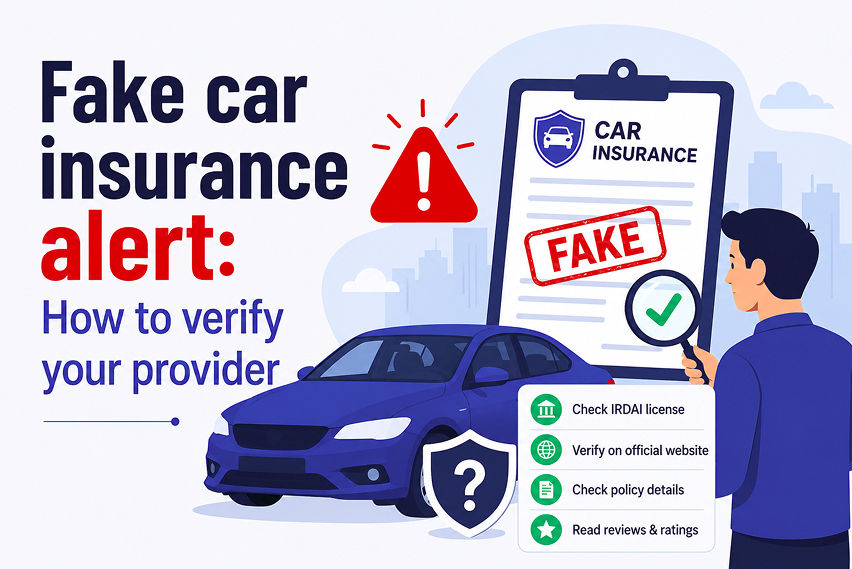
Only deal with insurers that the Insurance Commission accredits. You can verify providers at the IC's website. Also, avoid dealing with unverified agents with “too good to be true’ plans.
Look for included add-ons
Some providers offer valuable coverage at no additional cost or at minimal additional cost. Here are the add-ons you should look for -
- Roadside assistance
- Personal accident coverage
Note, such small perks add up over time.
Consider your car’s age & usage
Remember, it is important to be practical and avoid over- or under-insurance. Here are a few suggestions -
- For new cars, comprehensive and add-on coverage makes sense
- Old car owners should adjust coverage to avoid overpaying
Also Read: How to get car insurance in the Philippines: A step-by-step guide
Factors to check before switching
Before you decide to switch, make sure to check the following first -
- Claim settlement reviews
- Network of accredited repair shops
- Coverage limits
- Deductibles
- Exclusions
Also, check the provider's accreditation from the Insurance Commission (IC).
 Image from Shutterstock
Mistakes to avoid when switching providers
Here are some common mistakes policyholders must avoid when switching to a new provider -
- Choosing the provider solely based on a low premium.
- Not reading the policy terms carefully, especially the exclusions.
- Forgetting the flood or Acts of God coverage.
- Over-insuring an old car.
- Not declaring previous claims to the provider.
Remember, being honest and thorough today will save you headaches later.
Also Read: Driving without car insurance in the Philippines: 8 alarming consequences you must know
Bottom line
Are you thinking of switching your insurance provider? This guide is a must-read, as it provides a 360-degree perspective on the good and the bad. Changing your insurer isn’t just about saving money; it’s about getting better service, value, and peace of mind.
So, before you select your next insurance partner, make sure to tick the following boxes -
- Compare quotes carefully
- Time to switch properly
- Read the fine print
- Choose reliability over hype
Sometimes switching your insurer makes more sense than continuing with the same old provider. However, at times, staying put is the wiser choice. Therefore, the key is to make an informed decision, not a rushed move.
Also Read: What is car insurance, and why does every Filipino driver need car insurance
FAQs
Q1. Can I switch insurance providers even if I have a claim history?
Ans. Yes, you can switch with a prior claim history. However, it may lead to -
higher premiums, additional paperwork, and vehicle inspection (if required).
Q2. Will switching providers mid-term affect my LTO registration?
Ans. No, switching will not affect LTO vehicle registration; just ensure a valid CTPL policy is maintained.
Q3. Is it advisable to switch insurance providers frequently?
Ans. It is recommended to switch only if policy benefits outweigh the risk.
Q4. How long does it take to process a new policy?
Ans. It depends on the insurer; some providers hand over the new policy within 24-48 hours.
Q5. Can I negotiate my premium when switching providers?
Ans. Yes, most insurance providers are open to negotiations.
Q6. Will I lose my no-claim bonus when switching providers?
Ans. In most cases, yes, you will lose your no-claim bonus.
Q7. Is it legal to switch insurance providers in the Philippines?
Ans. It is completely legal to switch your insurance provider. Make sure your vehicle is insured at all times, with no gaps.
Q8. What is the process to cancel my insurance policy?
Ans. The process may vary by provider; therefore, it is best to contact your provider to inquire about the procedure. In some cases, you may need to submit paperwork or pay a fee.
Q9. Can I get a refund if I cancel my policy?
Ans. In most cases, you get a refund for the unused premium. However, mid-term cancellation may result in partial refusal. It is better to check with your provider for more information.
Q10. What is the best time to switch insurance providers?
Ans. In most cases, the best time to make a switch is right before the next renewal date.
Also Read: Car Insurance 101 for New Drivers in 2026: Basics you can’t skip